Buying Off-Plan? Run These 5 Quick Checks Before You Sign
Purchasing an off-plan property can be one of the smartest ways to secure real estate at a competitive price—if you follow the right checks. In a rapidly developing market, especially where new estates and smart-city projects are emerging every day, buyers must prioritize due diligence, developer credibility, and project feasibility. We have created this guide to ensure you make the most informed decision before committing your funds.
Below are the five essential checks every buyer must run before signing an off-plan contract. Each step provides a strategic advantage and protects your investment from avoidable risks.
1. Verify the Developer’s Track Record and Financial Strength
The first—and arguably most important—step is assessing the developer’s credibility. The success of an off-plan project depends heavily on the company behind it. Before signing:
Check Previous Projects
Look for:
- Completed estates delivered on schedule
- Consistency in finishing quality
- Evidence that the developer honored all promised infrastructure
Ask for verifiable photos, client testimonials, published delivery timelines, and site tour videos.
Evaluate Financial Capacity
A developer with weak financial backing may:
- Delay construction
- Cut corners
- Abandon the project
Request documentation showing:
- Funding sources
- Partnerships
- Approvals from banks or investment firms
A strong developer openly shares these details and demonstrates transparency from day one.
2. Confirm Land Ownership, Title Documents, and Approvals
Any off-plan property is only as secure as its land documentation. Never rely on verbal assurances. Ensure you personally sight or verify the necessary documents through your lawyer.
Essential Documents to Verify
- Title document (C of O, Governor’s Consent, Gazette, or Registered Survey)
- Layout plan approval
- Building plan approval
- Deed of Assignment or Contract of Sale
- Government or local authority permits
Conduct an Independent Verification
Run a search at:
- State Land Registry
- Surveyor General’s Office
- Relevant planning authorities
Red flags include:
Mismatch in survey coordinates, developer avoiding physical document inspection, unclear land status, or ongoing disputes.
3. Review the Construction Timeline and Delivery Milestones
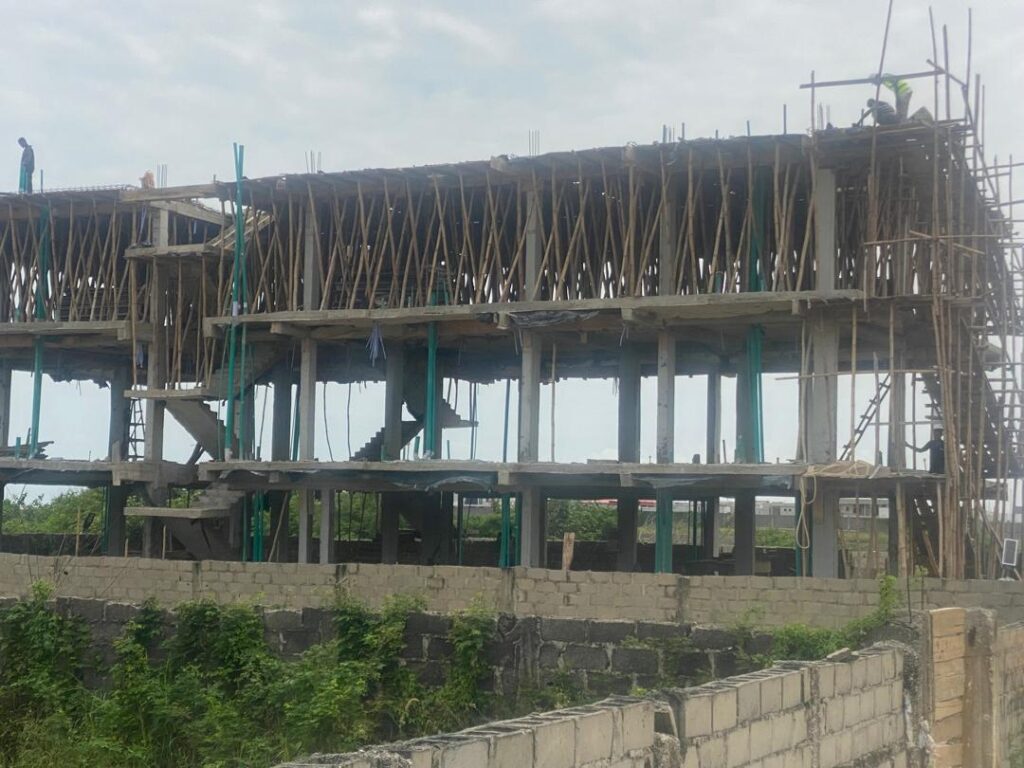
Reliable developers provide a clear and realistic timeline. Avoid vague promises such as “delivery soon” or “project finishing shortly.” A professional off-plan project should include:
Structured Milestones
- Foundation completion date
- Framing or blockwork timeline
- Roofing stage
- Finishing timeline
- Infrastructure development schedule
Progress Monitoring
Ask whether buyers will receive:
- Monthly or quarterly progress reports
- Access to site visits
- Drone footage updates
Also confirm what happens in case of construction delays—will there be compensation, or is the timeline flexible under the contract?
A transparent timeline reflects strong project management and ensures the developer is committed to timely execution.
4. Understand the Payment Plan, Extra Fees, and Refund Policies
Off-plan investments often come with friendly payment structures, but hidden fees can quickly turn an attractive deal into a cost trap. Before signing, review the entire financial breakdown carefully.
Key Financial Checks
- Initial deposit amount
- Number of instalments
- Interest or penalties on late payment
- Total cost vs. advertised cost
- Development levy
- Documentation fee
- Survey fee
- Infrastructure fee
- Utility connection charges
Refund Policy
A reputable developer offers a clear refund procedure, outlining:
- Conditions for refunds
- Time frame for processing
- Deductions (if any)
Never commit without knowing your financial obligations from start to finish.
5. Assess the Masterplan, Infrastructure, and Deliverables
Many off-plan buyers focus only on the building and ignore the estate’s long-term value. You must evaluate the bigger picture—how the community will grow and what facilities will be available.
What to Look For
- Road network plan
- Drainage system
- Electricity installation
- Water supply
- Green areas, parks, or recreation spots
- Security and estate management plan
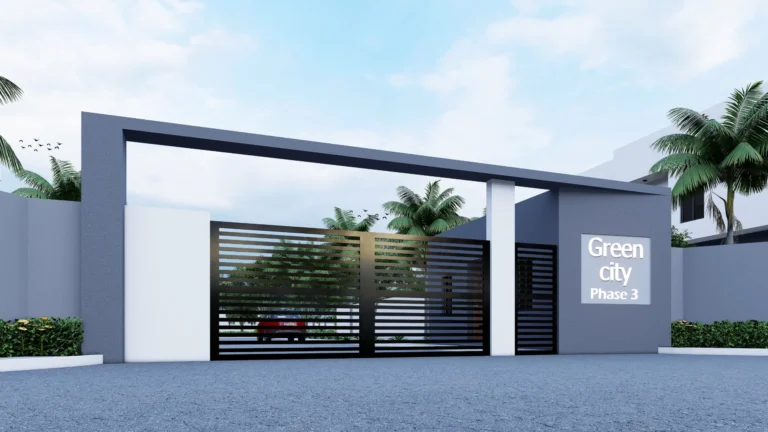
Request a detailed estate masterplan, not just 3D renders. Real developers show:
- Architectural drawings
- Infrastructure layout
- Technical specifications
- Completion projections
Ask About Variations
Will your unit be delivered as advertised?
Confirm:
- Finishing materials
- Floor size
- Fixtures
- Structural details
Avoid vague promises about “premium finishing” without documented specifications.
Bonus Check: Evaluate Market Potential and the Future Value of the Area
While not one of the core five checks, understanding the growth potential of the location gives you leverage to forecast returns.
Assess:
- Ongoing government projects
- Infrastructure expansion
- Proximity to major roads, schools, business districts
- Population growth
- Commercial opportunities
A property may be affordable now but capable of significant appreciation in 3–8 years.
Final Thoughts
Buying off-plan can deliver exceptional value—if you do your due diligence. These five checks ensure you are protected, well-informed, and positioned for maximum returns. By verifying the developer’s reputation, land status, financial clarity, construction timelines, and estate infrastructure, you reduce risks and make a decision that aligns with your long-term investment goals.
When buyers commit without proper checks, they expose themselves to delays, disputes, financial stress, and in some cases, total project failure. But with the right approach, off-plan becomes a powerful tool for wealth-building and early entry into prime developments.
Make these checks your personal checklist before making your next move.