Real Estate and Investment Mistakes Nigerians Must Avoid in 2026
Introduction
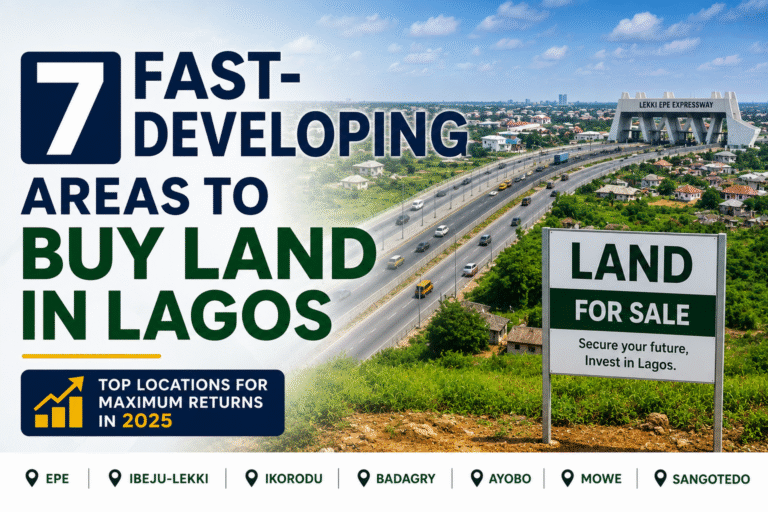
Real estate and investment continue to rank among the most reliable wealth-building strategies in Nigeria, especially as inflation, currency fluctuations, and volatile markets push investors toward tangible assets. In 2026, property remains a powerful hedge—offering capital appreciation, rental income, and long-term security. However, despite the opportunities, many Nigerians still lose money in real estate and investment due to avoidable mistakes that occur before, during, and after purchase.
The Nigerian real estate market has evolved. Prime locations such as Lekki–Epe corridor, Magodo, and Ibadan are experiencing rapid development, rising demand, and shrinking land availability. With this growth comes increased risk—fake titles, poorly planned estates, unverified sellers, and investments that fail to deliver expected returns. In today’s market, successful real estate and investment decisions require more than interest; they demand knowledge, verification, and alignment with credible developers offering structured, well-documented projects.
This is where professionally developed estates and clearly defined property offerings—such as Green City (Ketu-Epe, Omu-Epe, and Ibadan), Baay Foreshore Ibadan, Pacific Apartments, Gorge View Court Magodo Phase 2, and premium residential developments by Baay Realty—stand out. These projects address many of the mistakes Nigerians commonly make by providing strategic locations, transparent pricing, verifiable documentation, and flexible investment options tailored for both new and experienced investors.
In this guide, we break down the most critical real estate and investment mistakes Nigerians must avoid in 2026, using real market realities and lessons from active property corridors. Whether the goal is land banking, residential ownership, co-ownership, or long-term capital growth, this article will help investors make smarter decisions, protect capital, and maximize returns in Nigeria’s evolving real estate and investment landscape.
Mistake #1 – Buying Property Without Proper Title Verification
One of the costliest errors Nigerians make in real estate and investment is purchasing property without properly verifying the land title. In Nigeria, a property’s title is not just a formality—it is the foundation of ownership, security, and future value. No matter how attractive the price or location appears, investing in property without clear documentation can turn a promising real estate investment into a legal and financial nightmare.

Common Land Titles in Nigeria
Understanding land titles is essential for safe real estate and investment decisions:
- Certificate of Occupancy (C of O): This is the highest form of land title in Nigeria, issued by the state government. It confirms legal ownership and provides strong protection for investors.
- Government Allocation: Land directly allocated by the government or backed by government-approved layouts. When properly documented, it offers a high level of security and is widely accepted by financial institutions.
- Deed of Assignment: A legal document that transfers ownership from one party to another. While common, it must be backed by a valid root title and properly registered to be legally effective.
Credible developers structure their projects around verifiable titles. For example, estates like Green City (Ketu-Epe, Omu-Epe, and Ibadan), Pacific Apartments and Baay Foreshore Ibadan are designed to remove uncertainty by offering properties with clearly defined and traceable documentation—helping investors avoid common title-related risks.
Risks of Buying Untitled or Disputed Land
Buying property without a verified title exposes investors to serious risks, including:
- Government acquisition or demolition
- Multiple ownership claims and court disputes
- Inability to resell or use the property as collateral
- Loss of capital with no legal protection
These risks are especially common when dealing with unverified sellers or informal agents. In contrast, investing in structured developments such as Gorge View Court, Magodo Phase 2, or professionally managed co-ownership projects significantly reduces exposure to these issues.
How to Verify Property Documents Before Payment
To protect any real estate and investment decision, investors should:
- Request and review all title documents before making payment
- Conduct a land search at the appropriate State Lands Registry
- Confirm that the property is free from government acquisition or legal disputes
- Work with reputable developers and real estate professionals with a proven track record
Safe real estate and investment begin with verification. Choosing trusted developers and well-documented projects not only protects capital but also ensures long-term value, appreciation, and peace of mind.
Mistake #2 – Investing in the Wrong Location
In real estate and investment, location is one factor that can never be corrected after purchase. Many Nigerians lose money not because property is a bad investment, but because they invest in the wrong location. A property’s location determines demand, appreciation, rental income, and how easily it can be resold. In 2026, as land scarcity increases in major cities, location has become even more critical to successful real estate investment.
Why Location Determines Appreciation and Demand

Properties located near infrastructure, commercial hubs, and growing residential communities naturally attract higher demand. Access roads, proximity to employment centers, airports, schools, and planned government projects all influence how fast property values rise. This is why estates developed in strategic corridors consistently outperform isolated or poorly planned areas.
For instance, projects within the Lekki–Epe growth corridor, Magodo Phase 2, and fast-developing parts of Ibadan continue to record steady appreciation due to increasing population movement and infrastructure expansion. Structured developments such as Green City (Ketu-Epe and Omu-Epe), Gorge View Court Magodo Phase 2, Pacific Apartments and Baay Foreshore Ibadan are positioned in locations that support long-term real estate and investment growth rather than short-term speculation.
Red Flags to Watch for in “Cheap” Locations
Low prices often attract first-time investors, but “cheap” land can come with hidden risks. Red flags include:
- Lack of access roads or basic infrastructure
- No visible government or private development activity
- Unclear land titles or ongoing community disputes
- Promises of future development without evidence
In many cases, such locations experience slow or no appreciation, making resale difficult. True real estate and investment value lies in strategic affordability—not just low entry prices.
Emerging High-Growth Areas Nigerians Should Watch in 2026
In 2026, smart investors are paying attention to emerging locations with clear growth indicators. Areas such as Ketu-Epe and Omu-Epe along the Lekki–Epe axis, Magodo Phase 2, and expanding residential zones in Ibadan offer strong potential for land banking and residential development. These locations benefit from infrastructure expansion, increasing housing demand, and well-planned estates.
Developments like Green City Phases 1–3, Green City Hillside, Green City Ibadan, Pacific Apartments and Baay Foreshore Ibadan align with these growth trends, making them suitable for investors seeking sustainable appreciation and long-term returns.
In real estate and investment, the right location does not only protect capital—it multiplies it. Choosing strategically positioned projects ensures that today’s investment remains valuable tomorrow.
Mistake #3 – Chasing Cheap Prices Instead of Long-Term Value

A common trap in real estate and investment is focusing only on how cheap a property is, rather than what it will be worth in the future. While low entry prices may seem attractive, price alone does not guarantee profit. In many cases, properties bought cheaply end up costing more over time due to poor location, weak infrastructure, or limited demand. Smart real estate investment is not about buying the cheapest option—it is about buying the right asset.
The Danger of Price-Only Decisions
When investors make decisions based solely on price, they often overlook critical factors such as title security, location quality, infrastructure, and development potential. Cheap properties in isolated or undeveloped areas may struggle with slow appreciation, poor resale value, or low rental demand. In extreme cases, investors face losses due to disputed land or lack of government recognition.
In contrast, structured developments with proper planning and documentation—such as Green City Phases 1–3 (Ketu-Epe and Omu-Epe), Baay Foreshore Ibadan, Pacific Apartments and Gorge View Court Magodo Phase 2—are designed to protect investors from these risks. These projects focus on value creation, not just low pricing, making them more reliable for long-term real estate and investment goals.
Affordability vs. True Investment Value
Affordability simply means a property fits within a buyer’s current budget. Value, however, reflects what that property can deliver over time—capital appreciation, rental income, and ease of resale. A well-located, properly titled property with visible development may cost more today but offers stronger returns in the future.
How Smart Investors Assess Future Returns
Experienced investors look beyond price and evaluate:
- Location growth trends and infrastructure development
- Quality of documentation and title security
- Estate planning, accessibility, and neighborhood demand
- Developer credibility and project track record
By assessing these factors, investors can identify properties that will grow in value over time rather than stagnate. In real estate and investment, long-term value always outperforms short-term savings. Choosing projects built for growth ensures capital protection today and stronger returns tomorrow.
Mistake #4 – Ignoring Infrastructure and Development Plans

In real estate and investment, infrastructure is a major driver of property value. Many investors make the mistake of buying property without considering existing or planned infrastructure around the location. Roads, airports, industrial hubs, and government-backed projects directly influence accessibility, demand, and long-term appreciation. Ignoring these factors often results in slow growth, low rental demand, and poor resale value.
The Role of Infrastructure in Real Estate and Investment
Infrastructure determines how attractive a location is to residents, businesses, and investors. Good road networks reduce travel time, airports boost commercial activity, and nearby industries create employment that fuels housing demand. Government-backed projects also signal long-term commitment to an area, encouraging private development and increasing property value.
This is why real estate investment corridors such as the Lekki–Epe axis, Magodo Phase 2, and developing areas in Ibadan continue to attract smart investors. Projects like Green City (Ketu-Epe and Omu-Epe) benefit from expanding road networks and growing residential demand, while Baay Foreshore Ibadan, located near the Ibadan Airport and major access routes, is positioned for sustained growth. These infrastructure advantages strengthen the investment appeal of such estates.
How Infrastructure Affects Rental Income and Resale Value
Properties in well-developed or fast-developing areas attract higher-quality tenants and experience lower vacancy rates. Easy access to work hubs, transport routes, and essential services increases rental demand and supports premium pricing. Similarly, resale value improves when buyers can clearly see ongoing development and future prospects.
For example, estates like Gorge View Court Magodo Phase 2 benefit from established infrastructure and high residential demand, making them suitable for both rental income and capital appreciation. In contrast, properties in areas with no visible development struggle to attract tenants or buyers, regardless of how cheap they are.
How to Research Development Plans Before Investing
To make informed real estate and investment decisions, investors should:
- Study government master plans and approved layouts
- Monitor road expansions, airport projects, and industrial developments
- Observe private sector activity such as estate development and commercial construction
- Work with reputable developers who build in growth-ready locations
Investing in projects developed by trusted brands like Baay Realty, with estates strategically positioned in infrastructure-backed locations, reduces uncertainty and increases return potential.
In real estate and investment, infrastructure is not a bonus—it is a foundation. Investors who align their property choices with development plans position themselves for stronger rental income, higher resale value, and long-term growth.
Mistake #5 – Failing to Understand Payment Plans and Hidden Costs
In real estate and investment, many losses happen not at the point of purchase, but during payment. A common mistake Nigerians make is committing to a property without fully understanding the payment structure and the additional costs involved. Attractive prices and flexible payment plans can hide obligations that strain finances or delay property allocation if not clearly understood from the start.

Common Payment Structures in Nigerian Real Estate
Most real estate and investment projects in Nigeria offer different payment options to accommodate various investor needs. These typically include:
- Outright payment, often with incentives or discounts
- Installment payment plans, spread across 6 to 24 months
- Co-ownership models, where investors jointly own property assets
While installment plans make property more accessible, they often come with conditions such as initial deposits, fixed timelines, and penalties for default. Structured developments like Green City Phases 1–3, Green City Hillside, Pacific Apartments and Baay Foreshore Ibadan clearly outline their payment plans, helping investors plan effectively without unexpected pressure.
Hidden Costs Investors Often Overlook
Beyond the advertised property price, real estate and investment often involve additional costs that many buyers fail to anticipate. These may include:
- Documentation and legal fees
- Survey and deed registration costs
- Infrastructure or development levies
- Service charges in gated estates
Failing to account for these expenses can disrupt cash flow and delay completion or allocation. Reputable developments such as Gorge View Court Magodo Phase 2 and other Baay Realty projects emphasize transparency, allowing investors to understand total investment requirements upfront.
Questions to Ask Before Committing to Any Payment Plan
To protect any real estate and investment decision, investors should always ask:
- What is the total cost of the property, including documentation and development fees?
- What happens if a payment is delayed?
- Are there penalties, interest charges, or price reviews during the payment period?
- When will allocation occur after full payment?
Understanding these details helps investors avoid financial surprises and make confident decisions. In real estate and investment, clarity is as important as capital. Choosing well-structured projects with transparent payment terms ensures smoother ownership, better planning, and long-term peace of mind.
Mistake #6 – Buying Without a Clear Investment Goal
One major reason many Nigerians struggle with real estate and investment is buying property without a clearly defined purpose. Real estate should never be a random purchase. Whether the intention is personal use or wealth creation, the goal determines the type of property, location, budget, and expected returns. Without clarity, investors often end up with assets that do not serve their financial objectives.

Residential Use vs Investment Purchase
Buying a home for personal residence is different from buying property strictly for investment. Residential buyers may prioritize comfort, design, and lifestyle, while investment buyers focus on appreciation, demand, and exit opportunities. Mixing these goals often leads to poor decisions—such as purchasing a high-maintenance property that delivers little financial return.
For investment-focused buyers, estates like Green City (Ketu-Epe, Omu-Epe, and Ibadan) are designed to support capital growth through strategic location and planned development. On the other hand, premium residential projects such as Baay Foreshore Ibadan, Pacific Apartments and Gorge View Court Magodo Phase 2 suit buyers seeking quality living with strong long-term value. Understanding this distinction is critical in real estate and investment planning.
Rental Income, Land Banking, or Resale
Every real estate and investment decision should align with one of these core strategies:
- Rental income: Ideal for properties in high-demand residential areas with existing infrastructure, where tenants are readily available.
- Land banking: Suitable for emerging locations with clear development plans, allowing investors to buy early and benefit from appreciation over time.
- Resale: Focused on buying strategically priced properties in growth corridors and selling as demand increases.
Projects such as Green City Phases 1–3 and Green City Hillside are well-suited for land banking and future resale, while developments like Pacific Apartments and Gorge View Court Magodo Phase 2 offer strong potential for rental income due to location and demand.
Aligning Property Choice with Financial Goals
To succeed in real estate and investment, investors must match their property choice to their financial objectives by considering:
- Short-term versus long-term return expectations
- Available capital and payment flexibility
- Location demand and growth outlook
- Exit strategy and resale potential
Working with credible developers like Baay Realty, who offer a range of property options across Lagos and Ibadan, makes it easier to select assets that align with specific investment goals. In real estate and investment, clarity of purpose transforms property ownership into a structured, profitable strategy rather than a costly mistake.
Mistake #7 – Trusting Verbal Promises Instead of Written Agreements
In real estate and investment, trust is important—but it cannot replace legal protection. Many Nigerians make the mistake of relying on verbal promises when buying property, only to face disputes, delays, or financial loss later. In a market where property values and demand are high, verbal assurances are not enough to secure your investment.

Why Verbal Agreements Are Dangerous in Real Estate
Verbal agreements may seem convenient, but they carry significant risks. Without written documentation:
- There is no legal proof of payment terms, property ownership, or developer obligations
- Disputes over property boundaries, allocation, or pricing are harder to resolve
- Investors can lose capital to unscrupulous sellers or unverified agents
Even when dealing with seemingly reputable developers, relying solely on word-of-mouth agreements exposes investors to unnecessary risk.
Importance of Contracts and Legal Backing
A properly drafted contract formalizes the terms of purchase and protects both the buyer and the seller. In real estate and investment, contracts:
- Confirm ownership transfer and payment schedules
- Provide legal recourse in case of breach
- Specify responsibilities of the developer or seller regarding infrastructure, allocation, and delivery
Developers like Baay Realty, through projects such as Green City Phases 1–3, Baay Foreshore Ibadan, Pacific Apartments and Gorge View Court Magodo Phase 2, provide clear agreements and verified documentation to protect investors and ensure transparency.
Documents Every Investor Must Insist On
Before committing to any property purchase, always request and verify the following:
- Certificate of Occupancy (C of O) or verified government allocation
- Deed of Assignment (properly registered)
- Survey Plan showing exact land boundaries
- Sales Agreement or Contract of Sale specifying payment terms, project timelines, and developer responsibilities
By insisting on these documents, investors minimize risk and secure their real estate and investment portfolio. In 2026, written agreements are not just paperwork—they are the foundation of safe, profitable property ownership. Choosing structured projects by trusted developers like Baay Realty ensures that every transaction is legally protected and positioned for long-term growth.
Mistake #8 – Delaying Investment While Waiting for “Perfect Timing”
In real estate and investment, hesitation can be costly. Many Nigerians delay property purchases, waiting for the “perfect time” to invest. The reality is that waiting often leads to higher prices, lost opportunities, and missed returns. Property markets are dynamic, and delays can erode the potential for capital growth and rental income.

Why Waiting Costs More in Real Estate
Real estate is one of the few investments that consistently appreciates over time, especially in high-demand locations. Postponing investment often means paying significantly more later for the same property. As cities like Lagos (Magodo, Lekki–Epe) and Ibadan continue to grow, early investors in strategic estates enjoy faster appreciation and better returns than those who wait.
Structured developments like Green City Phases 1–3, Baay Foreshore Ibadan, Pacific Apartments and Gorge View Court Magodo Phase 2 demonstrate the advantage of early entry. Investors who secure units during the early phases benefit from lower prices, flexible payment plans, and the potential for higher capital gains.
How Inflation Affects Property Prices
Inflation directly impacts the cost of land, construction, and building materials. As the Nigerian economy experiences inflationary pressure, property prices rise steadily. Delaying investment in expectation of a price drop often backfires, as waiting may lead to higher costs for the same property, reducing your overall return on investment.
How to Identify the Right Time to Invest
Smart real estate and investment decisions rely on timing guided by research and trends rather than speculation. Investors should consider:
- Market demand: Are properties in the area selling quickly?
- Infrastructure developments: Is the location poised for growth due to roads, airports, or industrial projects?
- Project phases: Early phases of trusted developments like Green City (Ketu-Epe and Omu-Epe) often provide the best value and payment flexibility.
- Developer credibility: Investing with reputable developers like Baay Realty reduces risk and ensures timely delivery.
In real estate and investment, perfect timing rarely exists. Strategic early action—especially in high-growth projects offered by trusted developers—protects capital, maximizes appreciation, and positions investors for long-term success. Waiting too long can cost more than acting wisely today.
Mistake #9 – Working With Unverified Agents or Developers
In real estate and investment, who you work with is just as important as what you invest in. Many Nigerians make the costly mistake of trusting unverified agents or developers, which can lead to disputes, delayed property delivery, or total loss of capital. Partnering with credible professionals ensures your investment is secure and positioned for growth.
Risks of Dealing with Unregistered Sellers
Unverified sellers or agents often operate without proper registration, leaving investors exposed to:
- Sale of disputed or untitled land
- Misrepresentation of property prices or project details
- Non-delivery or abandonment of projects
- Legal battles that drain time and money
These risks are particularly high in high-demand corridors like Lekki–Epe, Magodo, and Ibadan, where unscrupulous operators target eager buyers.
How to Identify Credible Real Estate Developers
Working with reputable developers is key to successful real estate and investment. Here’s how to identify them:
- Check corporate registration with the Corporate Affairs Commission (CAC)
- Verify past projects and their completion history
- Read reviews and testimonials from previous buyers
- Assess transparency in pricing, documentation, and allocation
Developers like Baay Realty exemplify credibility by delivering structured estates such as Green City Phases 1–3, Baay Foreshore Ibadan, Pacific Apartments and Gorge View Court Magodo Phase 2. Their projects offer verified land titles, clear documentation, and consistent communication, reducing risk for investors.
Importance of Track Record and Transparency
A strong track record demonstrates reliability, while transparency ensures investors understand exactly what they are buying. Trusted developers provide:
- Properly documented titles and legal backing
- Clear payment plans with no hidden costs
- Timely project delivery and updates
Investing through verified developers not only safeguards your capital but also enhances returns. In real estate and investment, choosing credible partners like Baay Realty transforms your property purchase from a risky venture into a secure, growth-oriented investment.
Mistake #10 – Not Seeking Professional Guidance
One of the most overlooked mistakes in real estate and investment is attempting to navigate the market without professional guidance. Many Nigerians treat property buying as a trial-and-error process, only to discover later that lack of expertise can lead to costly errors, delayed projects, or lost capital. In today’s competitive property market, expert advice is not optional—it is essential for safe, profitable investment.
Why Real Estate Is Not a Trial-and-Error Investment
Unlike other forms of investment, real estate involves high capital outlay, long-term commitments, and legal complexities. Mistakes in property selection, documentation, or payment can result in irrecoverable losses. In 2026, as property prices rise and infrastructure expansion accelerates in areas like Lekki–Epe, Magodo, and Ibadan, informed decision-making is critical. Projects like Green City Phases 1–3, Baay Foreshore Ibadan, Pacific Apartments and Gorge View Court Magodo Phase 2 show that professional guidance ensures investors choose properties that align with market demand, location growth, and long-term returns.

Role of Real Estate Consultants and Legal Advisers
Professional consultants and legal advisers provide invaluable support in real estate and investment by:
- Verifying property titles and legal documentation
- Advising on payment plans, hidden costs, and tax implications
- Evaluating market trends and identifying high-growth locations
- Structuring investment strategies that maximize returns while minimizing risk
Experts also help investors understand the nuances of different property types—residential, co-ownership, or land banking—so that every purchase serves a specific financial goal.
How Expert Guidance Protects Capital
Guidance from trusted professionals protects your capital by ensuring that:
- Every property purchased has verifiable documentation
- Payment terms are transparent and manageable
- Investment aligns with long-term financial objectives
- Projects are selected based on strategic growth potential
Choosing structured developments from credible developers like Baay Realty—including Green City (Ketu-Epe, Omu-Epe, and Ibadan), Baay Foreshore Ibadan, Pacific Apartments and Gorge View Court Magodo Phase 2—and working with professional advisors ensures your real estate and investment journey is secure, profitable, and stress-free.
In real estate, professional guidance is the difference between making costly mistakes and building lasting wealth.
How Nigerians Can Invest Smarter in Real Estate in 2026
Investing in real estate and investment offers one of the most reliable paths to wealth in Nigeria. However, success depends on strategy, research, and making informed decisions. In 2026, smart investors focus on verified projects, strong locations, and clear financial planning to protect capital and maximize returns. Projects like Green City Phases 1–3 (Ketu-Epe and Omu-Epe), Baay Foreshore Ibadan, Pacific Apartments and Gorge View Court Magodo Phase 2 exemplify the type of structured developments that support smarter property investment.
Practical Checklist for Safe Property Investment
To ensure your investment is secure and profitable, always consider the following:
- Verify the land title: Certificate of Occupancy (C of O), Government Allocation, or Deed of Assignment
- Assess location and growth potential: Proximity to infrastructure, transport hubs, schools, and commercial areas
- Review developer credibility: Check track record, past projects, and completion timelines
- Understand payment plans and total cost: Include hidden fees, documentation charges, and development levies
- Evaluate property purpose: Residential use, rental income, land banking, or resale potential
Structured estates like Baay Foreshore, and Gorge View Court are designed to simplify these checks, offering verified titles, planned layouts, and flexible payment structures.
Key Questions Every Buyer Should Ask
Before committing to any property, smart investors always ask:
- Is the title genuine and verifiable?
- Are there ongoing or planned infrastructure developments nearby?
- What is the payment plan, and are there any hidden costs?
- How soon will the property be allocated or completed?
- Has the developer successfully delivered similar projects?
Asking these questions ensures clarity, reduces risk, and aligns the investment with long-term financial goals.
Smart Habits Successful Investors Follow
Successful Nigerians in real estate and investment consistently practice these habits:
- Research the market before buying—don’t rely on word-of-mouth alone
- Invest early in growth corridors to maximize appreciation potential
- Diversify across property types, such as bungalows, duplexes, and co-ownership options
- Work with verified developers like Baay Realty to secure legally backed, structured projects
- Monitor property trends and adjust strategy to optimize rental income or resale returns
By following this checklist, asking the right questions, and adopting proven investment habits, Nigerian investors can make real estate and investment a reliable wealth-building tool in 2026. Structured projects like Green City Phases 1–3, Baay Foreshore Ibadan, Pacific Apartments and Gorge View Court Magodo Phase 2 offer the perfect starting point for anyone serious about safe, profitable property investment.
Here’s a comprehensive FAQ section optimized for “real estate and investment” and tailored to Baay Realty projects. This will help your content rank and provide valuable information to potential investors.
Frequently Asked Questions About Real Estate and Investment in Nigeria
Investing in real estate and investment in Nigeria can be highly profitable, but buyers often have questions about safety, returns, and the best strategies. Here’s a detailed FAQ section to guide Nigerian investors in 2026, with references to trusted projects like Green City Phases 1–3 (Ketu-Epe and Omu-Epe), Baay Foreshore Ibadan, and Gorge View Court Magodo Phase 2.
1. Is real estate still profitable in Nigeria in 2026?
Yes. Real estate remains one of the most reliable wealth-building tools in Nigeria. Locations with strong infrastructure, growing populations, and well-planned estates—such as Lekki–Epe, Magodo Phase 2, and Ibadan—offer steady appreciation, rental income, and resale potential. Projects like Green City, Baay Foreshore, and Gorge View Court demonstrate the profitability of investing in verified, structured developments.
2. What is the safest type of property to invest in?
The safest properties are those with verifiable land titles, strategic location, and reputable developers. Residential bungalows, duplexes, co-ownership plots, and land banking options in planned estates—such as Green City Hillside, Baay Foreshore Ibadan, and Pacific Apartments, Gorge View Court Magodo Phase 2—offer security, growth potential, and lower risk compared to unverified properties.
3. How much capital do I need to start investing in real estate in Nigeria?
The required capital depends on the type of investment. For entry-level options:
- Plots in planned estates like Green City Phases 2 & 3 start from as low as ₦3,000,000
- 2-bedroom bungalows in Baay Foreshore Ibadan start around ₦39,000,000
- Premium duplexes in Gorge View Court Magodo Phase 2 start at ₦300,000,000
Flexible payment plans in these projects allow investors to start with smaller capital while benefiting from high-value growth.
4. Should I invest for rental income, resale, or land banking?
It depends on your financial goals:
- Rental income: Choose residential properties in high-demand areas like Gorge View Court Magodo Phase 2
- Resale: Focus on properties in strategic locations with appreciation potential, such as Green City Phases 1–3
- Land banking: Ideal for long-term growth in emerging zones, like plots in Green City Omu-Epe
Many investors diversify across these strategies to maximize returns.
5. How can I verify the title of a property before investing?
Always request and confirm:
- Certificate of Occupancy (C of O) or Government Allocation
- Deed of Assignment, properly registered
- Survey Plan showing exact boundaries
Developments by Baay Realty provide verified documentation for every project, ensuring investor security and reducing title-related risks.
6. How does location affect my investment returns?
Location is a key driver of real estate and investment success. Properties near roads, airports, schools, commercial hubs, and government-backed developments appreciate faster and attract quality tenants. For example:
- Green City (Ketu-Epe & Omu-Epe) benefits from expanding road networks and growing demand
- Baay Foreshore Ibadan is strategically positioned near the airport and major access roads
- Gorge View Court Magodo Phase 2 offers premium urban living in Lagos, ensuring rental and resale potential
7. Are installment plans safe for property investment?
Yes, when structured by credible developers. Baay Realty offers flexible payment plans for projects like Green City Phases 1–3 and Baay Foreshore Ibadan, with transparent terms and no hidden charges. Always confirm:
- Payment schedule and duration
- Penalties for missed payments
- Total cost including documentation and development levies
8. How do I avoid buying from unverified agents or developers?
Work only with registered, credible developers with a proven track record. Verify:
- Corporate registration (CAC)
- Completed past projects
- Reviews and testimonials from buyers
Trusting verified developers like Baay Realty protects your capital and ensures timely delivery.
9. Can small investors benefit from real estate in Nigeria?
Absolutely. Projects like Green City Phase 3 (Omu-Epe) and co-ownership options allow small investors to start with lower capital while accessing high-growth areas. Fractional ownership and structured payment plans make real estate and investment accessible to more Nigerians.
10. How do I know when is the right time to invest?
The right time is guided by market trends, infrastructure development, and project phase:
- Invest early in trusted estates like Green City Phases 1 & 2 to maximize appreciation
- Track infrastructure growth, such as roads, airports, and commercial hubs
- Consult professional advisors or developers to align your timing with high-demand periods
11. Why should I seek professional guidance before investing?
Real estate is not a trial-and-error investment. Working with consultants and legal advisers ensures:
- Verification of titles and documents
- Evaluation of market trends
- Alignment with your financial goals
Baay Realty provides professional support for all its projects, helping investors make informed, secure, and profitable decisions in real estate and investment.
12. Which Baay Realty projects are ideal for long-term investment in 2026?
Some of the most strategic investment options include:
- Green City Phases 1–3 (Ketu-Epe & Omu-Epe) – ideal for land banking and resale
- Baay Foreshore Ibadan – perfect for residential use and capital appreciation
- Pacific Apartments – strong rental and resale potential in Lagos
These projects combine verified titles, strategic locations, and transparent payment plans, making them top choices for safe and profitable real estate and investment in 2026.
Conclusion
Avoiding common mistakes, understanding the market, and investing in verified, structured projects like Green City, Baay Foreshore, and Pacific Apartments ensures that real estate and investment in Nigeria remains profitable in 2026. Strategic planning, professional guidance, and smart decision-making transform property ownership into a secure, growth-oriented wealth-building tool.