Top Tips to Maximize Rental Income from Nigerian Properties
Executive Summary
- Nigerian rental yields vary widely by location. In Lagos and other major cities, typical gross yields range from about 4–6% in prime areas up to 8–12% in mid-market corridors34. Smart landlords target high-demand neighborhoods (e.g. Lagos’s Lekki, Yaba, Surulere) where gross yields can hit ~8–11%4.
- Upgrades can boost income. Fully furnished or serviced units (especially short-lets/Airbnbs) can command 10–15% gross yields2, and even net 20–30% in top cases52. By contrast, unfurnished long-term rentals typically yield only ~4–7%25.
- Tenant quality and management matter. Screen applicants thoroughly (verify income ≥3–4× rent6, ID, employment, guarantors, references) and use written leases. Offer flexible payment options (e.g. semester or quarterly rent) to attract reliable tenants, including group/expat renters.
- Keep up with legal/tax rules. By law, landlords can only ask up to 12 months’ rent in advance for new leases (and 3 months for existing monthly tenants)7. Tenants must deduct 10% withholding tax on rent8 (so issue receipts).
- Maintain utilities & security. Reliable power (generator) and water supply are non-negotiable in Nigeria910. Regular maintenance and good estate security keep tenants happy and rents high.
- Market smartly. Use major listing sites (ExpertListing.ng, PropertyPro, NigeriaPropertyCentre, Jiji) and high-quality photos. Verified platforms (e.g. ExpertListing) get more trust and enquiries1112.
These strategies – combined with a clear exit plan – will help you hold high-demand assets or sell at the right time. For more on building a landlord business, see Baay’s [“How to Become a Landlord” guide]13 and check our premium listings like Eden Residence (Lekki)14 or Pacific Court (Ajah)15 for examples of sought-after rental properties.
Set Realistic Yield Expectations
In Nigeria’s major cities, rental yields tend to be modest by global standards. In Lagos, for example, typical gross yields on residential units fall in the single digits. Recent data show 2-bedroom flats on Lagos Island (Ikoyi/VI) yield roughly 5–7% gross31, while emerging corridors like Ajah and Lekki range 5–10%1617. Highly urbanized districts (Yaba, Surulere) can exceed 10% gross for 1–2BR units4.
Net yields (after maintenance, taxes, agent fees, etc.) run 1–2 points lower. For example, Ikoyi 2BR nets ~5.3% while Ajah 2BR nets ~3.2%316. As Baay’s research notes, Lagos 2BR flats “remain important because premium rents are high and tenant demand is deep,” even if yields moderate3. In practice, a well-located 2-bedroom flat often offers the best balance of yield and tenant demand18.
Outside Lagos, yields can differ: Abuja’s 1–2BR condos often yield ~5–8% gross (e.g. Ikate 1BR at 9.0%, 2BR at 8.6%19) and Port Harcourt’s top estates ~5–6%. Rural or smaller-city assets usually yield less due to lower rents. In summary, a realistic gross yield target in Lagos is ~4–8% for conventional rentals, and up to ~8–11% in high-demand mid-market areas4. Subsidiary cities (Ibadan, Kano, etc.) often trail these figures.

However, location is everything. Lekki/Orchid/Beach Area and Ajah, driven by infrastructure, can outperform older Island zones. For example, Baay Project’s Eden Residence (Lekki) emphasizes access to new roads and entertainment hubs14. Conversely, a luxury duplex in Magodo or Parkview might yield only ~3–4% net because prices are so high. Always compare net yield (after costs) across similar local properties before buying.
Property Type & Upgrades to Boost Yield
Unit size and finish matter. Smaller units (1BR/2BR flats) often rent more easily than 3+BR luxury homes, so their effective yield can be higher per naira spent. Within Lagos, a furnished 2BR flat in Surulere or Yaba can easily reach 10–12% gross yield thanks to strong demand4, whereas a 4BR townhouse in a less central area might only yield 4–6%.
Furnishing and short-lets. Outfitting your property for premium tenants can lift rent by ~20–30%. Luxury short-let (Airbnb-style) apartments in Lagos have proven especially lucrative: prime short-lets routinely achieve 10–15% gross yields2, far above the 4–7% on traditional leases. One report finds average net yields of 24% for Lagos short-lets (26–32% net in Lekki Phase 1) versus only ~4–5% gross for long-lets5. In other words, a well-managed serviced apartment in Lekki could generate 5–6× the return of a similar long-term rental5. For example, a fully serviced 2BR in Lekki might rent for ₦200k/day seasonally instead of ₦500k/month long-term – dramatically raising annual income.
However, these yields come with trade-offs (more on risks below). For upgrade strategy, consider:
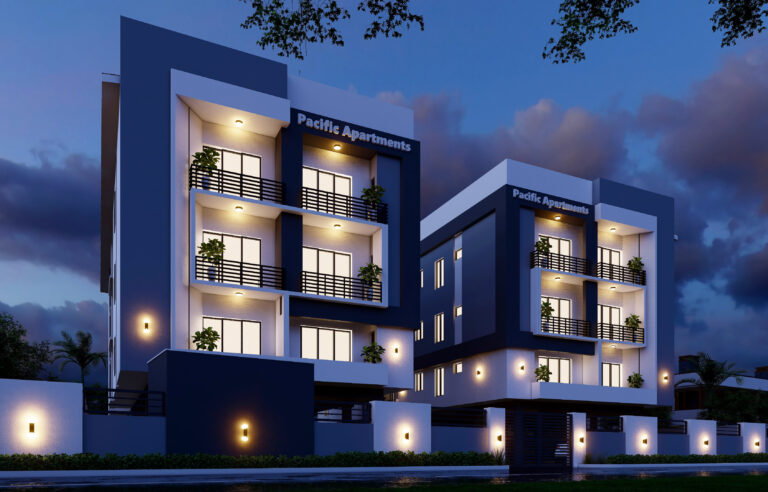
- Furnishing/Decor: Basic furnishing (beds, fridge, appliances) lets you charge 15–30% more rent. Luxury fit-outs (modern kitchen, AC, Wi-Fi, generator) can move you from mid-tier rents to top-tier. Baay’s serviced units (e.g. Pacific Apartments in Atlantic View) illustrate this premium positioning.
- Serviced Unit Model: Outsource operations (e.g. via a management company) to tap the Airbnb/diaspora market. A turnkey approach can justify yield lifts to double digits2.
- Renovations: Fresh paint, new fittings, and amenities (gym access, parking, furniture) may cost up-front but can raise rent and reduce vacancy. Upgraded flats in secure estates easily attract executives and foreign tenants willing to pay extra.
Case in point: A 2BR apartment in Ikoyi might rent for ₦1,250k/mo (7.5% gross3) unfurnished. Furnish it and market as a serviced Airbnb, and similar units net 10–15% yields25. Always run the numbers on renovation costs vs. incremental rent.
Tenant Screening & Management
High yields depend on reliable tenants and occupancy. Robust screening protects cash flow: require that tenants’ income be at least 3–4× the monthly rent6, and verify it with employment letters or bank statements. Obtain a valid ID (Passport, DL, or National ID) and current utility bill to confirm identity and address. Always check references: prior landlords or employers can confirm payment history. In Nigeria’s informal economy, consider guarantors (who co-sign and pay if needed) and demand modern employment proof (often a letter on company letterhead with salary).
Key checks include: employment/income (last 3 payslips or 6 months’ bank statements20), tenancy history (previous rent receipts or landlord contacts21), and a local guarantor with good financials. Document everything. Clear written criteria (e.g. “income ≥₦300,000/month; no more than 2 occupants; guarantor required if self-employed”) help filter out risky applicants early622. Remember: discrimination based on tribe, religion or gender is illegal; focus screening on income and behavior22.
For tenant management, offer a structured lease: fixed term (minimum one year) with clauses for rent review. Collect a deposit (typically 2–3 months’ rent) plus agent/legal fees (common 5–10% of annual rent). Issue official receipts for every payment (it’s required by law23 and gives tenants confidence). Consider using digital transfers (bank, POS) to streamline payment and reduce delays. Landlords should also invest in property management (or an agent) to handle maintenance requests, rent collection, and lease renewals, so small problems don’t become evictions. In Nigeria, many landlords lose income to unpaid rent or damage; good management prevents that.
Lease Terms & Payment Strategy
Negotiate lease terms that secure income without scaring off tenants. After screening, require standard advance payment as follows: no more than 12 months’ rent for a new lease (this cap is now law in Lagos and many states7). In practice, Lagos tenants often pay 6–12 months in advance for first-time leases; after that, limit to 3 months’ rent for renewing annual tenants. Deposits (“caution money”) of 1–2 months’ rent are customary, and must be refundable minus damages at end of lease. Always prepare a stamped contract; stamp duty is small (≈0.375% of annual rent per year in Lagos). Make payment painless: many Lagos landlords collect via bank transfers or POS to avoid cash handling and provide instant proof.
Offer flexible schemes to attract tenants: for instance, allow quarterly or bi-annual payments for salaried tenants, or special co-ownership groups (Baay’s co-ownership programs can pool buyer-renters). You might also negotiate periodic rent increases linked to inflation or market rates. For fully serviced short-lets, accept booking platforms (Airbnb, Booking.com) or corporate block contracts; this often means daily rates paid in advance, minimizing vacancy risk.
Expert Insight: Rent demand has surged (~15–20% YoY growth in Lagos recently24), so lock in current rates with longer leases if possible. However, avoid demanding more advance rent than legally allowed7. Tenants are more stable if they feel treated fairly (and harsh tactics invite disputes).
Legal and Tax Considerations
Understand your obligations under Nigerian tenancy law and tax code. Recent reforms in Lagos (2025) and other states tighten landlord-tenant rules: you cannot legally demand more than 12 months’ rent advance from new tenants, and only 3 months from existing monthly tenants7. Violating these limits can trigger fines or jail. Always provide a signed lease detailing rent, term, and responsibilities. Lagos now also requires agents to be licensed and caps agent commissions at 5% of yearly rent25.
On taxes: rental income is taxable. Tenants (the payers) are generally obliged to deduct 10% withholding tax from rent payments and remit it to the FIRS8. In practice, this means your contract should state the gross rent plus 10% WHT (or ensure the tenant withholds it). For simplicity, many landlords set rents such that the tenant pays 10% extra then claims it back on their taxes. Always issue receipts that show rent paid and WHT withheld. Note: First ₦2 million of annual rent is exempt from WHT if the tenant submits a valid TIN; otherwise double rates may apply26.
Also budget for stamp duties and rent assessments (small percentages of rent). Consult a tax advisor on income tax (which landlords pay annually on net rental income) and on repatriating rent if you’re a foreign owner. Lastly, invest in legal title: ensure a valid Deed of Assignment or Certificate of Occupancy. Without clear ownership papers, your rental income is at risk.
Maintenance & Security
In Nigeria’s climate and infrastructure environment, maintenance is investment.

A well-maintained unit not only commands higher rent but stays occupied longer. Key priorities: power and water. Install a reliable generator or power plant and service it regularly: change the oil, test batteries, and run it weekly9. Install a water storage tank and pump system with auto-switching, and clean the tank at least quarterly1027. Tenants will pay extra for guaranteed electricity and water – in contrast, properties without them can sit vacant.
Security is equally vital. Properties in good estates with 24/7 gate security generally lease faster. For any home, ensure sturdy perimeter fencing, functioning locks on all doors/gates, and good lighting. As Tenantify notes, “security is paramount in Nigeria – functional locks protect tenants and property”28. Install gated compound lights and consider security cameras or guards if your location warrants it. Perform seasonal checks: inspect roofs and gutters before the rainy season, clear drains to avoid flooding2930, test air conditioners before the hot months, and watch for termites or pests (common in harmattan/dust season).
A maintenance plan saves money long-term: Tenantify finds that skimping on repairs can cost 3–5× more in emergencies later31. Schedule monthly walk-throughs to spot issues early. For example, check faucets, shutters, and wiring (Nigeria’s voltage spikes can cause shorts32). Keep communal areas (garden, fence) tidy, since curb appeal attracts better tenants. A “move-in checklist” with the tenant – documenting the condition – also helps avoid deposit disputes.
Marketing & Listing Tips
Maximize visibility by listing your property on Nigeria’s top portals and networks. Specialized real estate platforms yield better tenants: e.g. ExpertListing.ng vets every listing (boosting trust) and even optimizes for Google search in neighborhood searches11. For broader reach, also post on PropertyPro.ng and NigeriaPropertyCentre, which have large user bases. If used, be cautious on classifieds (Jiji.ng) or social media – fraud is more common there33. Always include high-quality photos: bright images of each room, showing all amenities. Listings with clear prices get 3–4× more inquiries12, so state your rent up front rather than “Call for price.” Describe key features (number of bedrooms/BQs, security, power, furnished status) and exact location (estate vs. landmark) to attract the right audience.
Leverage Baay’s network too. Mention Baay projects’ quality (Pacific Court, Eden Residence, etc.) and use our blog links to build confidence. For example: “See Baay Project’s Pacific Court at Ajah15, fully sold on strong demand, as a benchmark for well-located, finished homes.” Engage with our agent team for social media push – we often advertise on Instagram/Facebook (our Baay Insider) to diaspora and corporate clients.
Internally, keep a checklist for tenants: advertising copy and photos ready, legal templates, and fast response plans. In fact, a quick turnaround (“Answer inquiries within 2 hours” is best practice12) often secures tenants before they find alternatives. For long-term success, also build your brand: satisfied tenants (or their employers) can refer you new tenants, and online ratings (if using platforms that allow it) boost credibility.
Exit Strategy and ROI Examples
A good landlord plan includes when to hold vs sell.

If your rental yields dip below desired returns (due to higher costs or stagnant rents) and property values rise, it may make sense to sell or refinance. Use price indexes and liquidity cues: e.g., recent data shows Lagos housing prices slowing, so gauge whether to lock in gains now. Conversely, if infrastructure improvements are imminent, a hold might yield bigger capital appreciation. As a rule, aim for total returns (rental yield + appreciation) of 10–15% annually; falling below that could signal a pivot point.
Example ROI: Consider a 2BR flat bought for ₦100M. At ₦900k/mo rent (₦10.8M/yr), gross yield is 10.8%. After ~3M/yr of costs, net might be ~7%. If renovated/furnished and converted to short-let, you might earn ₦20M+ per year (especially with 26–32% net yields reported in high-demand Lekki5), effectively doubling ROI. Compare that to selling: if the property’s value rises 15% in a year (₦15M gain), your total gain could match or exceed rental returns. Thus, watch market signals: if tenancies remain full with rising rates, keep renting; if tenants resist higher rent or supply floods the market, consider selling or upgrading.
Finally, always track your actual cash-on-cash return. Account for all costs (mortgage interest, taxes, vacancy periods). Aim to charge enough rent to cover these and a profit margin. When planning upgrades, calculate payback time (e.g. a new generator costing ₦5M that allows you to charge 5% more rent might pay for itself in ~5–6 years). If an apartment upgrade costs ₦10M but can boost yearly rent by ₦2M, the 5-year ROI is 100%. These examples (like Baay Project’s Eden Residence with modern amenities14) show the power of adding value.
| Property Type | Price Range (₦) | Gross Yield | Net Yield | Pros | Cons | Typical Deposit |
|---|---|---|---|---|---|---|
| Unfurnished 2BR Apartment | 80M–120M | ~6–10% | ~4–7% | High tenant demand (young professionals, couples)4; relatively low capex needed. | Lower rent ceiling; requires active management. | 3–6 months’ rent |
| Furnished 2BR Apartment | 90M–140M | ~8–12% | ~6–9% | Commands 20–30% premium rent2; attracts expat/diaspora tenants. | Higher initial furnishing cost; wear-and-tear costs. | 3–6 months’ rent |
| Serviced Short-Let 2BR Apt | 80M–150M | ~15–25% | ~20–30%5 | Highest returns: yields up to 26–32% net in prime Lagos locations5; flexible income (bookings). | Intensive management; variable occupancy; stricter estate rules (some ban Airbnbs). | N/A (nightly rates) |
| Townhouse (3–4BR) | 60M–100M | ~4–6% | ~3–5% | Appeals to families; stable long-term rentals. | Smaller renter pool; modest yields; longer vacancies. | 3–6 months’ rent |
| Detached House (4–5BR) | 150M–250M | ~3–5% | ~2–4% | Luxury appeal; can rent to corporate clients. | Very high cost; yields often <5%; high maintenance. | 3–6 months’ rent |
Ready to boost your rental returns? Explore Baay’s income-ready listings (like Eden Residence in Lekki14) or contact us for a personalized strategy session.
Sources: Data and insights are drawn from Nigeria’s 2026 housing market reports and industry experts342578911. Any missing specifics are based on current market averages and Baay’s property expertise.